
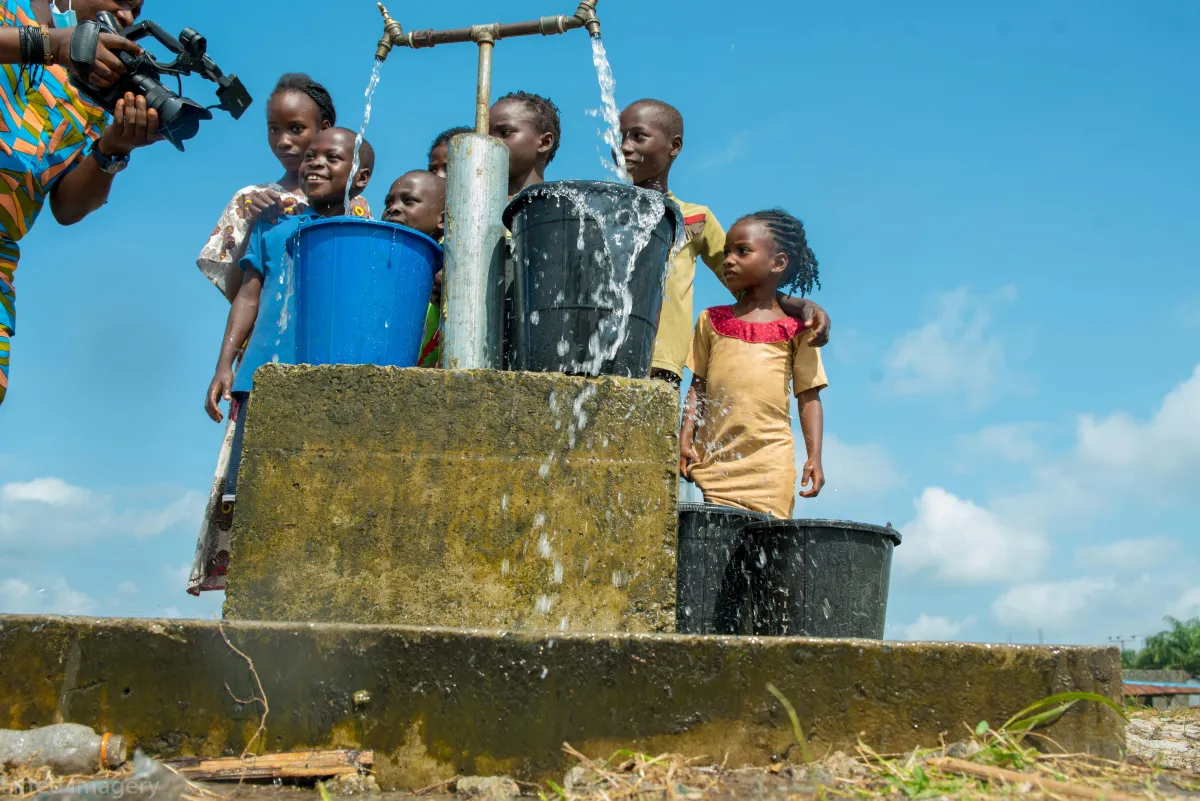
Building Wells in Africa: A Life-Changing Mission
Building wells in Africa gives clean water to rural communities, improving health and daily life. The process includes picking a site, drilling, and adding pumps. To keep wells working, locals are trained on upkeep. A well can last 20-30 years, making it a lasting fix for the water crisis.
The Importance of Building Wells in Africa
Right now, over 400 million people in Africa don’t have access to safe drinking water, and rural communities suffer the most (Afrobarometer).
This isn’t just a challenge—it’s a crisis that affects health, education, and economic stability.
One of the best ways to fix this? Constructing water wells to serve those in need.
The Water Crisis in Rural Communities
In many African villages, getting water means walking for miles every single day.
Women and children usually bear this responsibility, hauling back heavy containers filled with water that’s often unsafe to drink.
The result? Widespread illness.
Diseases like cholera and dysentery kill thousands each year, and most victims are children under five.
With no clean water nearby, survival becomes a daily battle.
A well changes everything.
It provides a safe, nearby water source, reducing disease, easing the burden on families, and freeing up time for school, work, and farming.
How Clean Water Changes Lives
A well isn’t just a hole in the ground—it’s a game changer for entire communities.
Better Health: Clean water stops the spread of deadly diseases. Fewer illnesses mean fewer hospital visits, saving families money and letting them focus on food, education, and work.
More Education: When water is close by, girls don’t have to spend hours collecting it. Instead, they can go to school, giving them the chance for a better future.
Stronger Economies: A steady water supply helps farmers grow more crops, creating food security and steady income. Local businesses also thrive when water is easy to access.
Building wells in Africa isn’t just about providing water—it’s about giving people hope, dignity, and a future without the daily struggle for survival.
Different Types of Water Wells and What They Mean for You
Getting safe water starts with choosing the right well.
The two main options—shallow borehole wells and deep wells—work best in different situations depending on water levels, land conditions, and how many people need water.
Shallow Borehole Wells vs. Deep Wells
Shallow borehole wells go about 30-45 meters deep.
They pull water from closer to the surface, making them faster and cheaper to build.
But because they use near-surface water, they can get contaminated more easily and may dry up during certain seasons.
These wells work best in areas with a steady, high water table.
Deep wells, on the other hand, can go over 100 meters deep.
They reach underground aquifers, making them a more stable water source—especially in dry areas where shallow wells may not work.
Building wells in Africa often requires deeper drilling to ensure clean, year-round water access.
Constructing deep wells takes more advanced equipment and costs more, but they’re safer from contamination and provide reliable water all year.
For organizations focused on building wells in Africa, investing in deeper wells can lead to better water security for entire communities.
Hand Pumps vs. Solar Pumps
Once a well is drilled, you need a way to bring up the water.
For shallow wells, hand pumps are the go-to solution.
They’re simple, long-lasting, and can serve 250-500 people per well.
With the right training, communities can maintain these pumps on their own.
For deeper wells or places with bigger populations, solar-powered pumps make a huge difference.
These pumps use solar panels to pull water from greater depths, making them ideal for areas without electricity.
They can also store water in large tanks, giving steady access to villages or schools.
While solar pumps cost more upfront, they provide a steady water supply with little maintenance, making them a smart long-term choice.
Choosing between shallow borehole wells, deep wells, hand pumps, or solar pumps depends on the water conditions in your area and how much water your community needs.
When done right, building wells in Africa doesn’t just provide water—it helps create healthier, stronger communities and ensures sustainable access for generations to come.
Choosing the Right Spot with the Community
The first step in building wells in Africa is picking the best location.
This isn’t a random choice.
Experts study the land to find underground water, test the water to make sure it’s safe, and talk with the community to figure out the most convenient spot.
If a well is too far away, people won’t use it.
If the ground is weak, the well won’t last.
The community plays a big role in this process.
When locals help decide where the well goes and how it will be used, they take ownership of it.
Many villages set up water committees to manage the system, teach people about water conservation, and collect small fees for repairs.
Without community support, even a well-built system can fall apart.
This level of involvement ensures that efforts in building wells in Africa have lasting impacts.
Drilling, Setting Up, and Keeping It Working
Drilling a borehole well usually takes 3 to 7 days, depending on the depth and the type of ground.
Large machines drill deep to reach cleaner, more reliable water.
Once the hole is ready, workers install pipes to keep the structure stable and add a pump to bring water to the surface.
From start to finish, the process takes about 1 to 2 weeks.
Keeping the system working long-term is just as important as the initial construction.
Without regular care, pumps break, pipes clog, and the well stops functioning.
That’s why a trained water committee matters.
With basic pump repair skills and a way to fund fixes, communities can keep their water sources running for decades.
A well isn’t just a hole in the ground—it’s a lifeline.
Making it last takes good planning, the right tools, and a strong community effort to keep clean water flowing for generations.
Building wells in Africa is more than a project; it’s an investment in health, stability, and the future of entire communities.
Challenges and Solutions in Providing Clean Water
Overcoming Tough Terrain and Drought
Building wells in Africa comes with big challenges.
In some areas, rocky ground makes drilling tough, sometimes needing special equipment to break through hard bedrock.
This adds time and cost.
On top of that, long droughts can dry up shallow wells, leaving people without water.
To tackle this, experts run hydrogeological surveys to find deep, year-round water sources.
This helps groups like Wells of Life construct water access points that won’t dry up when the rains stop.
Advanced drilling methods, like air rotary drilling, also make it easier to get through tough ground while boosting success rates.
Keeping Wells Working for the Long Haul
Drilling a well is just the start.
If it’s not maintained, it can break down, leaving whole villages without clean water.
One key to keeping wells running is training the community.
Locals learn how to fix minor issues, maintain pumps, and track water use.
Setting up water committees keeps the well in good hands, and small user contributions help cover repairs.
Having spare parts nearby is another must, so wells don’t sit broken for weeks when something wears out.
Covering Costs and Ensuring Longevity
Building wells in Africa is a big investment.
While upfront costs include drilling, installation, training, and maintenance planning, a well that’s cared for can last for decades before needing major repairs.
By focusing on smart, lasting solutions, Wells of Life makes sure every well serves its community for generations.
Clean water means better health, more kids in school, and stronger local economies.
A simple well can change lives.
FAQs
How long does it take to build a well in Africa?
It usually takes about three to four weeks from start to finish. Drilling can take anywhere from three to seven days, depending on the land and depth needed. After that, installing the casing, pumps, and other parts takes another one to two weeks. Planning, picking the right spot, and working with the community can add more time.
How does Wells of Life keep wells working?
Keeping wells running is a top priority. We train local water committees to handle maintenance, collect small fees for repairs, and make sure the well stays in good shape for years. We also set up supply chains for spare parts and provide ongoing support when issues come up.
What’s the biggest challenge in building wells in Africa?
The land itself can be a big obstacle. Hard, rocky ground makes drilling tough, and some areas suffer from long droughts that lower water levels. That’s why we always do hydrogeological surveys first to find the best locations.
Why are some wells shallow and others deep?
Shallow wells—about 30 to 45 meters deep—work well when water is close to the surface. But in dry areas, we need to drill deeper, sometimes over 100 meters, to reach a steady water source.
How many people can one well serve?
A well with a hand pump can provide clean water for 250 to 500 people. Bigger wells with solar-powered pumps can support even more, giving thousands access to safe water for decades.
