
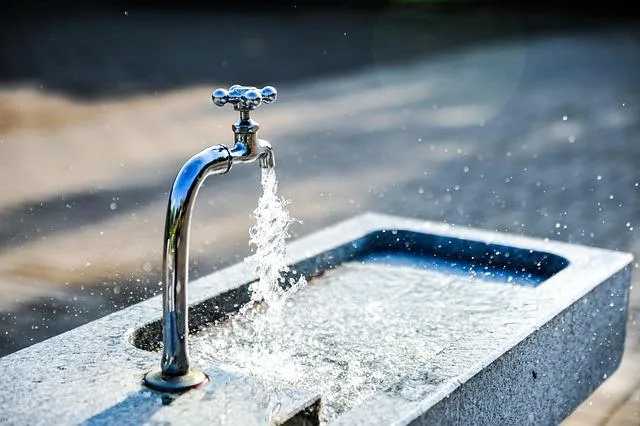
Lifesaving Clean Water Project: Make a Difference
A Clean Water Project gives safe drinking water to communities that lack it or have contaminated supplies. These projects help people stay healthy, open up education opportunities, and grow local economies. You can support a Clean Water Project by donating, spreading awareness, or pushing for sustainable solutions to make a lasting impact.
Why Clean Water Project Matters
Clean water isn’t a luxury—it’s a basic human need.
But right now, 2 billion people don’t have access to safe drinking water (source).
That’s nearly a quarter of the world struggling every day to find water that won’t make them sick.
Dirty water is deadly.
It spreads diseases like cholera, typhoid, hepatitis A, and dysentery.
These aren’t just mild illnesses—they take lives, especially young children.
Without clean water, preventable diseases run rampant, putting a huge strain on fragile healthcare systems and keeping families stuck in poverty.
The crisis goes beyond health.
By 2025, half the world’s population will live in water-stressed areas.
Climate change is only making things worse, with shrinking water sources and harsher droughts.
In dry areas, families—especially women and children—walk miles just to fetch water, often from unsafe places.
Instead of going to school or earning a living, they spend hours carrying heavy water containers just to get by.
This crisis isn’t just about how much water we have—it’s about making sure people can get clean, safe water when they need it.
A working Clean Water Project does more than quench thirst.
It stops disease, strengthens economies, and gives communities a chance to thrive.
Solving this isn’t optional—it’s urgent.
Our Mission: Bringing Clean Water to Communities
At Wells of Life, we believe Clean Water Project efforts change everything.
Our goal is simple—bring safe, reliable water to communities that need it most.
Every well we drill means fewer people struggling with water scarcity and more families thriving.
By 2025, we aim to expand access, improve infrastructure, and empower local residents to manage their own water supply.
For many women and girls, fetching water takes up hours of their day.
With a well close to home, they can focus on school, work, and building a better future.
This small change leads to big results—higher literacy rates, stronger economies, and healthier families.
Clean water isn’t just about survival—it’s an investment in the future.
Studies show that every dollar spent on sustainable initiatives brings four times the return in productivity and lower healthcare costs.
It’s a smart, sustainable way to break the cycle of poverty and uplift entire communities.
Lasting change comes from within.
That’s why we focus on community-led initiatives where locals take charge of wells and water systems.
When people take ownership, maintenance improves, resources last longer, and reliance on outside aid decreases.
Our approach ensures these wells keep flowing for generations.
Clean Water Project initiatives are more than just a basic need—they’re a lifeline.
At Wells of Life, we’re committed to making every dollar count, delivering safe water that brings health, hope, and opportunity for years to come.
How You Can Help Bring Clean Water Project to Those in Need
Clean Water Project efforts aren’t just about digging wells—they’re about creating real, lasting change.
You have the power to make a difference by supporting initiatives that bring safe water to those who need it most.
Whether through donations, spreading the word, or getting directly involved, every action counts.
Simple Ways to Take Action
Helping Wells of Life can be as easy as sharing information or as hands-on as leading a fundraiser.
Your donations go toward building new wells, fixing old ones, and teaching communities about sanitation.
Want to do more? You can organize local events, take part in charity runs, or even turn your birthday into a fundraiser for safe water access.
You can also push for change in your own community.
Advocate for better water policies, encourage schools and businesses to get involved, or support education programs focused on water safety.
Big changes start with small, committed efforts.
How Communities Make a Difference
A single well can transform a village, but lasting change happens when communities stay involved.
Governments, NGOs, and local people must work together to keep water initiatives running for the long haul.
When a community takes responsibility for its water system, it stays safe and sustainable.
Education is just as important.
Safe water only works if people know how to protect it.
Teaching families good hygiene habits helps prevent disease and keeps water sources secure for future generations.
Smarter Ways to Solve Water Shortages
There’s more to water access than wells.
Rainwater harvesting, water-saving techniques, and better irrigation systems help communities manage supplies even in dry seasons.
Smaller, local water treatment solutions can also be a game-changer.
Unlike huge projects that take years, these systems bring safe water to remote areas quickly and efficiently.
That means families in urgent need get help right away.
Clean Water Project initiatives aren’t just about meeting basic needs—they're about building healthier communities and brighter futures.
Wells of Life is working to ensure everyone has access to this life-changing resource, and you can be a part of that mission today.
FAQs
How does a Clean Water Project help a community?
A Clean Water Project gives people safe drinking water, lowers disease risk, and frees up time for school and work. With access to safe water, families spend less on healthcare, get more done, and enjoy better living conditions.
Why does sanitation education matter with clean water?
Safe water alone isn’t enough. If people don’t learn proper hygiene, water sources can still get contaminated. Teaching handwashing, safe waste disposal, and hygiene habits keeps water clean and helps prevent illness.
How do local communities help keep water projects running?
When locals take charge of water systems, initiatives last longer. Training community leaders helps with repairs, smart water use, and conservation, ensuring long-term benefits.
Can small donations really make a difference?
Yes! Even a small gift helps buy filters, fix wells, and fund education. Expanding access to clean drinking sources can have widespread economic and social benefits, making each contribution valuable.
What are some new ways to improve clean water access?
Smaller water treatment systems, rainwater collection, and better irrigation methods can bring safe drinking water to people faster and more efficiently than larger infrastructure projects.
